
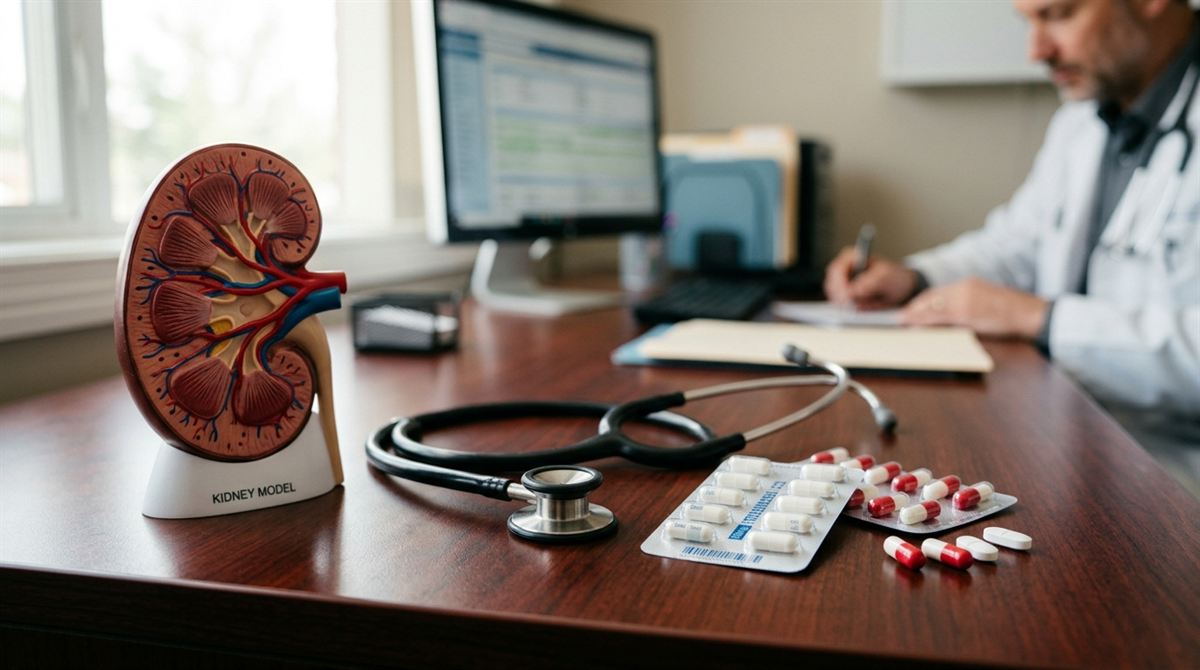
1. The Hidden Epidemic of Drug-Induced Kidney Injury
In almost every household medicine cabinet across Punjab, you will find over-the-counter pain medications: Brufen (Ibuprofen), Voveran (Diclofenac), Combiflam (Ibuprofen + Paracetamol), or Naproxen. Patients take them casually for headaches, toothaches, joint pain, or fever, assuming that because they are sold without a prescription, they must be harmless.
In clinical nephrology, Non-Steroidal Anti-Inflammatory Drugs (NSAIDs) are among the leading causes of preventable acute kidney injury and chronic renal failure seen in tertiary hospital emergency rooms.
2. Mechanism: How NSAIDs Choke the Kidney's Blood Supply
To filter blood effectively, your kidneys require a steady, high-pressure blood flow through the afferent arteriole into the glomerulus. Under conditions of physical stress, dehydration, or cardiovascular strain, the kidney produces chemical messengers called prostaglandins (specifically PGE2 and PGI2), which dilate the afferent arteriole to keep blood flowing.
NSAIDs work by inhibiting the cyclooxygenase enzymes (COX-1 and COX-2), which halts prostaglandin production. While this relieves bodily pain and inflammation, it strips the kidneys of their primary protective defense mechanism:
- Afferent Arteriolar Vasoconstriction: Deprived of prostaglandins, the renal artery clamps down tightly, cutting blood perfusion to filtering glomeruli by up to 30–50%.
- Acute Tubular Necrosis (ATN): Starved of oxygenated blood, the delicate renal tubular cells die, causing sudden acute kidney shutdown.
- Acute Interstitial Nephritis (AIN): An idiosyncratic allergic inflammatory reaction inside the kidney tissue, marked by fever, rash, and eosinophils in urine.
3. Who Is at Extreme Risk from Painkillers?
While healthy young individuals can occasionally take an NSAID without permanent harm, the following groups face imminent renal danger:
- Individuals with pre-existing CKD or an eGFR < 60 mL/min.
- Diabetic and hypertensive patients on daily blood pressure medications.
- Elderly individuals above 60 years of age (due to age-related nephron loss).
- Anyone suffering from dehydration, viral fevers, gastroenteritis, or heart failure.
4. Chronic Analgesic Nephropathy
Patients suffering from chronic osteoarthritis, migraine, or chronic back pain who ingest painkillers daily for months or years develop Analgesic Nephropathy. In this condition, the tips of the renal filtering pyramids (papillae) undergo avascular necrosis and slough off, leading to shrunken, bumpy kidneys, chronic proteinuria, and permanent dialysis dependency.
Nephrologist's Clinical Pearl — Dr. Fayaz Ahmad Wani
"If you have mild to moderate pain or fever, plain Paracetamol (up to 500–650 mg per dose) is the safest choice for your kidneys because it does not inhibit peripheral renal prostaglandins. If Paracetamol does not resolve your pain, consult your physician for kidney-safe alternatives rather than repeatedly reaching for strong NSAIDs."
5. Kidney-Safe Pain Management Strategies
To relieve chronic pain without destroying your renal filtration:
- Physical Therapy & Topical Gels: Utilize local pain relief gels, warm compresses, or physical therapy for muscular and joint pain. Topical formulations have minimal systemic kidney absorption.
- Address the Root Cause: Treat dental infections, joint inflammation, or spinal disc issues at their source rather than masking symptoms with daily painkillers.
- Check Kidney Function if You Took NSAIDs: If you recently consumed painkillers and notice reduced urine output, pedal swelling, or dark urine, request a Serum Creatinine test immediately.
📚 Peer-Reviewed Clinical References & Guidelines
- FDA Drug Safety Communication: Nonsteroidal Anti-Inflammatory Drugs and Risk of Renal Damage ↗
- KDIGO 2024 Clinical Practice Guideline for Acute Kidney Injury: Drug-Induced Nephrotoxicity ↗
- British Journal of Clinical Pharmacology: Analgesic Nephropathy and NSAID-Induced Renal Failure ↗
- Fortis Escorts Hospital Amritsar - Critical Care Nephrology Department ↗
Frequently Asked Patient Questions
Is Paracetamol (Crocin, Dolo) safe for kidney patients?
Yes. Paracetamol does not inhibit renal prostaglandins and is the preferred first-line analgesic for kidney patients when taken at recommended dosages (not exceeding 2 to 3 grams daily).
Can a single dose of Diclofenac or Ibuprofen cause kidney damage?
In a well-hydrated healthy person, a single dose rarely causes permanent damage. However, in a patient with diabetes, mild dehydration, or pre-existing CKD, even one single injection or tablet of Diclofenac can trigger acute renal shutdown.
Can drug-induced acute kidney injury be cured?
Yes, if the offending painkiller is stopped immediately and supportive intravenous hydration or corticosteroids (for interstitial nephritis) are initiated under nephrology supervision before permanent scarring sets in.
Related Kidney Health Articles
Acute Kidney Injury (AKI) vs. CKD: Can Kidneys Fully Recover?
Read Full Guide → Recommended ReadingSerum Creatinine Explained: Normal Ranges & Common Patient Myths
Read Full Guide → Recommended Reading10 Early Warning Signs Your Kidneys Need Immediate Attention
Read Full Guide →"Medical education empowers patients to make informed, life-saving choices. When we catch kidney decline early, modern nephrology has the tools to protect your kidneys for decades."
— Dr. Fayaz Ahmad Wani
MD (General Medicine), DM Nephrology (Osmania Medical College)
Senior Consultant Nephrologist & Kidney Transplant Specialist
Fortis Escorts Hospital ↗ & Revive Health Clinic, Amritsar